
As I am writing this journal update, I am approaching four weeks of my time here in Geneva and interning, which is astounding to think about how quickly the time passes here when you are surrounded by this unique work environment for learning about international public health, great people and friends, and new experiences and adventures. Although each day passes so quickly because I seem to have gotten used to this routine and feel quite comfortable with where I am, I am wary of this time passing me by with not having taken as much out from this experience as I possibly could.
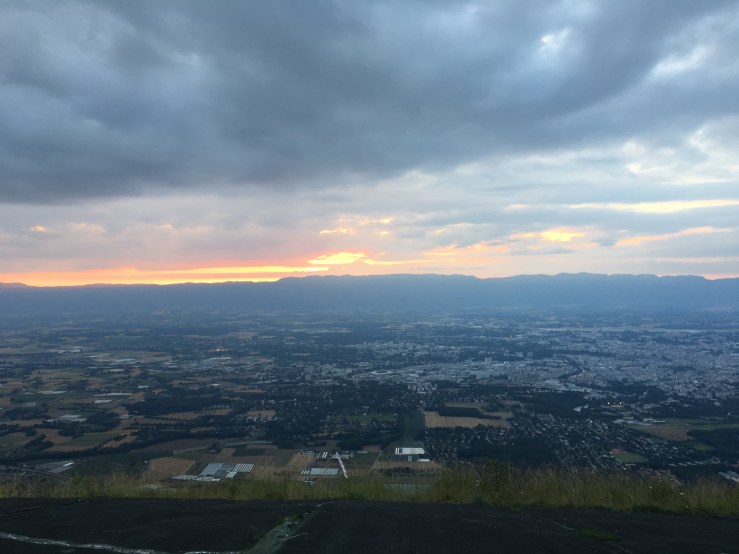
Learning about myself
I have been learning about myself as a student and young professional ambitious about pursuing a career in healthcare and public health, but also cautious and critical of the limitations. My perspective of the WHO coming into this experience was one that is critical of the work being done as it seemed too far removed from the people that it benefits and that the organization is too political to get things done. I suppose my opinions have more or less not changed too much. Speaking to other staff and colleagues here in the building is a fantastic way to get a sense of the trials and tribulations of the work produced here. Even though the WHO is limited in its capacities in many aspects – human resources, financial resources, structural or political obstacles, the list goes on – it’s easy to criticize and find these limitations in the work, but it’s about how we deal with these structures in place to move an agenda forward or to even work to change these structures in place. It’s also about learning to be realistic with the resources available and to work with what you have. Of course WHO has its limitations, but it also has seen great successes. Public health is not an easy field to be in, since the outcomes of the work can be non-existent for so long or fail so many times, but when there is a successful outcome, it will arrive in the long term and it will arrive big. Public health at this level has the potential to influence and improve the lives of so many, but to get there takes much time, dedication, perseverance, a tolerance for repeated shortfalls, and working with the resources you have and the structural processes in place.
But what has all this taught me about myself? It has taught me to simply go where my interests take me and to do what makes me happy at this point in time. Fairly obvious realizations I understand, however I am at a place where there is so much more to learn and experience, with many big questions about the world and its many issues and inequities – it is important to learn and to continually question things, but to do so with great intrigue and optimism. I also will one day make decisions about my career in this field that I can definitely think about now, but it is quite far in the future to really worry about. The main goal now is to learn. Such a decision could be about deciding a balance between public health and clinical practice. One thing that I know for certain is that I suffer from being here at WHO by not working with people on the ground and I believe patient interaction is something I need before I spend an extended period of time in public health.
Learning about myself is also about figuring out what I need in a career to be happy and productive in a way that fits into the bigger picture of this coordinated public health effort to address inequity. And from time to time, at this point or in the future, that decision will change, which is okay. I know at this point, I want to do so many different things and I am interested in many different things. This could look like working with an NGO, a government, or even in the private sector, as these learning experiences will provide a better understanding of the systems we are working with in public health. Also I should read more books, fiction and non-fiction. I just don’t read as much as I would like to.
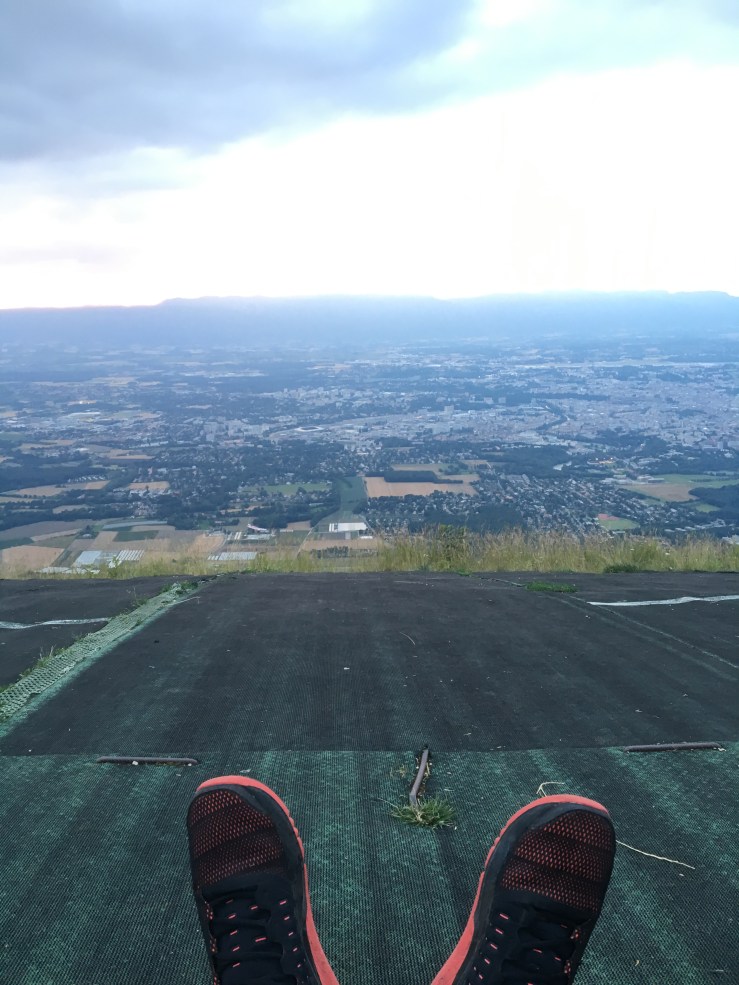
The friends and the relationships I have made
I have met some very incredible people here and the friends that I have met have definitely made my time here extremely enjoyable and memorable. The fellow interns that became close friends are definitely part of the reason why it feels like my time here is going by so quickly. It’s quite interesting how close you can get with others in such a short period of time, but I consider myself quite lucky to have found like-minded friends that keep me questioning things about public health, act as a soundboard to bounce ideas and reflections with, push me outside of my comfort zone in after-work adventures, and the list goes on. I have managed to stumble upon some unique, friendly, intelligent, and truly kind individuals that I am able to share many stories, memories, and adventures with. Also importantly, I am able to share my ramblings about the ups and downs of the internship experience with them, and they in return give me more to think about through their own reflections, thoughts, and criticisms. Further to these relationships, having short coffee chats with various staff members have also proved invaluable in shaping my experience here at WHO as a positive and productive one.

Privilege and interning
I have struggled ever since the first week I got here in Geneva with fully comprehending the consequences and realities of the privilege that comes with interning at a UN agency. To my understanding, in an address the Director-General of WHO gave to interns a few weeks ago, there is no funding available from member states to support interns and there is no shortage of students and young professionals knocking on the doors of UN agencies, such as the WHO, for internship opportunities. Further, framing the experience as an educational and learning experience or stepping stone for young professionals as a justification for an unpaid internship was also emphasized. As a current unpaid intern, without a doubt I would appreciate being paid to have a bit more financial flexibility in an incredibly expensive city, Geneva. While on the other hand, I am by no means, going into excessive amounts of debt to be here. Even though the financial costs did pose a barrier and consideration for whether or not I would choose to attend the internship, but after all, I am still here. I come from a privileged background: I have supportive parents that value my education, I grew up in an English-speaking high income country, and I had the means to hold multiple part-time jobs in my home country during my academic studies to fund this, etc.
Additionally, from my interactions thus far with colleagues and interns, most people seem quite well off in sustaining and supporting themselves in this experience, even in this unpaid work environment. Simply an observation and how I perceive it, but sometimes I feel that I am in this work environment with some extremely privileged and educated people that have been dealt all the right cards in the game of life, but have discussions about improving the health of others from the comfort of the institute. On top of this, interns, myself included, often spend weekends and the time away from work enjoying the pleasures of living in the middle of Europe for a few months, which can mean flying off to another nearby country. There are talks about improving the internship experience in making it more ‘fair’ or equitable, and recently there was a survey to gather data on interns’ experiences and financial background, among other things. However, those that can afford this internship are already here and those that cannot are not included in the conversation. If these UN agency internships (some are!) ever become paid, would this even be a step towards equitable opportunity for youth as there is clear misrepresentation as it currently stands – I’m not sure I am convinced. I think a significant amount of work can be done and should be done to diversify the internship program.
There is work being done on creating a fair internship experience for young professionals, but this needs to be able to take into consideration the various differing socioeconomic backgrounds of young people from low- or middle-income countries that want to access these opportunities. It is also those that gain experience at this level as an intern that have an advantage when returning as staff members of an UN agency, which is ultimately meant to represent the diversity and interests of 193 member states. It’s not about if there is an issue, but rather it’s about thinking structurally and how we need to question whether or not the approach taken to alleviate obstacles is equitable, respectful, and mindful in improving access to UN agency professional development opportunities.
Yipeng

 yipeng's global health journal